Posted on 27/09/2026
Haringey Council rules for memorial flowers in Crouch End: a practical local guide
If you are trying to understand Haringey Council rules for memorial flowers in Crouch End, you are probably dealing with something emotional and a bit time-sensitive. A tribute on a tree, railing, bench, pavement edge, or near a place that mattered can feel deeply personal. But in a busy part of North London, there is often a line between a respectful memorial and something that may be removed for safety, cleaning, or maintenance reasons.
This guide explains the topic in plain English. It covers why the rules matter, how they usually work in practice, what families and friends should think about, and how to avoid common mistakes. You will also find a checklist, a comparison table, and practical examples based on the kind of situations people often face in Crouch End. No nonsense, no legal waffle. Just the useful stuff.
Table of Contents
- Why Haringey Council rules for memorial flowers in Crouch End Matters
- How Haringey Council rules for memorial flowers in Crouch End Works
- Key Benefits and Practical Advantages
- Who This Is For and When It Makes Sense
- Step-by-Step Guidance
- Expert Tips for Better Results
- Common Mistakes to Avoid
- Tools, Resources and Recommendations
- Law, Compliance, Standards, or Best Practice
- Options, Methods, or Comparison Table
- Case Study or Real-World Example
- Practical Checklist
- Conclusion
- Frequently Asked Questions
Why Haringey Council rules for memorial flowers in Crouch End Matters
Memorial flowers do more than decorate a place. They mark grief, memory, love, and sometimes surprise. A bunch of white roses tied neatly to a lamppost or a small wreath laid with care can say what words cannot. In a neighbourhood like Crouch End, where footfall is constant and streets are used by residents, school runs, shoppers, and delivery traffic, that tribute also becomes part of a shared public space.
That is why council rules matter. Public land has to stay safe, accessible, and manageable. Flowers placed in the wrong spot can obstruct pavements, create litter, attract pests, or be removed during street cleaning and maintenance. A memorial that feels intimate to one family may be seen by the council as an item on public property that needs to be checked, moved, or cleared.
There is also an emotional side to this. Let's face it, nobody wants to turn up and find tribute flowers gone. That can feel upsetting, even disrespectful. But often removal is not about the sentiment. It is about avoiding hazard, preserving access, or keeping the area tidy. Understanding the framework in advance helps you protect the tribute and avoid avoidable stress.
Expert summary: if you want memorial flowers to remain in place for as long as possible, think carefully about location, format, visibility, and maintenance. A tidy, low-profile tribute is usually easier to respect in a busy public setting than something sprawling across the path. Small detail, big difference.
How Haringey Council rules for memorial flowers in Crouch End Works
There is usually no single "one-size-fits-all" rule that covers every memorial flower display. In practice, what happens depends on where the flowers are placed and whether the site is public land, highway land, or privately managed space. That distinction matters a lot.
1. Public highway and pavement areas
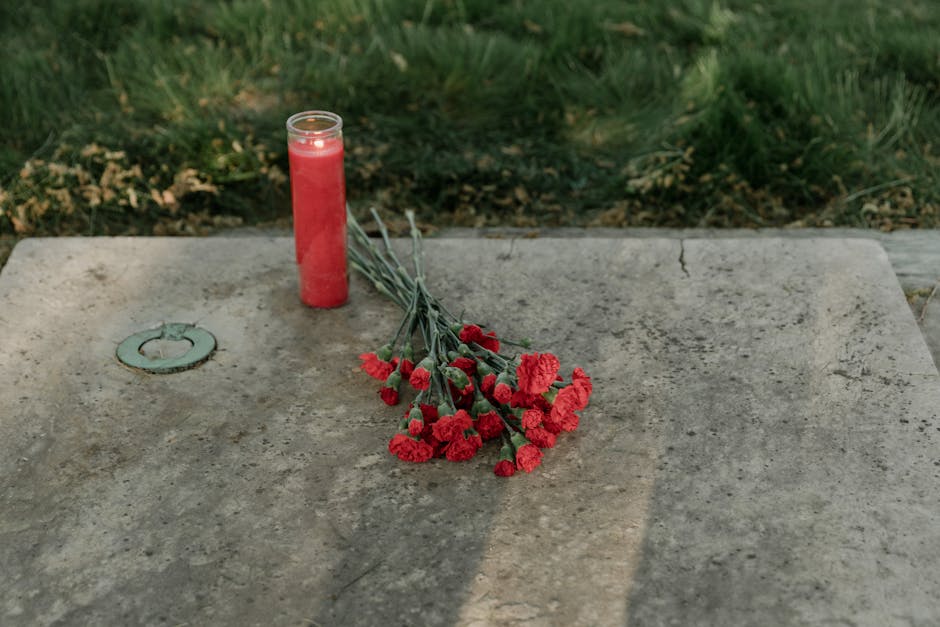
If flowers are placed on a pavement, verge, street furniture, or near a road edge, they may fall within highway management rules. The council's main concern is whether pedestrians can still pass safely, whether wheelchair users have enough room, and whether the tribute creates a trip hazard. A small bouquet tucked safely to one side is very different from a wide display with vases, candles, ribbons, or loose objects.
2. Trees, railings, and fixed structures
People sometimes attach flowers to trees, railings, or posts near the place where someone died or was remembered. That can look heartfelt, and it often is. But fixed public assets are generally maintained under council or contractor routines. Items tied to them may be removed if they interfere with inspections, tree care, cleansing, or structural work. In other words: if it can get in the way of maintenance, it may not stay there forever.
3. Parks, open spaces, and green areas
If the memorial is in a park or open space near Crouch End, additional rules may apply because land use is managed for multiple purposes. Flowers may be allowed for a short period, or only in certain areas, but the practical issue remains the same: the council has to keep the space safe and usable for everyone.
4. Temporary tributes versus longer-term memorials
A short-term floral tribute after a bereavement is often treated more sympathetically than a permanent-style installation. Councils generally understand that grief does not run on a timetable. Still, flowers fade, packaging blows away, and weather changes quickly in London. After a few days, what started as a tribute can become something that needs checking. A wet Monday morning after a windy weekend can make that obvious very quickly.
In practice, the safest assumption is simple: if you are placing memorial flowers in a public place, keep them neat, low-risk, and temporary unless you have clear permission for something longer lasting.
Key Benefits and Practical Advantages
Following the rules is not just about avoiding removal. It can actually help your memorial feel more dignified and less stressful to manage.
- Better chance the tribute remains in place: tidy, safe arrangements are less likely to be moved.
- Respect for other residents: people can still walk, cycle, or push buggies without awkward detours.
- Less risk of damage: flowers in secure containers tend to last better in wind and rain.
- Less emotional upset: you are less likely to face surprise removal or complaints.
- Cleaner appearance: an organised tribute looks more respectful than loose stems, plastic wrapping, and scattered petals.
There is also something quietly important about good presentation. A well-arranged wreath or bouquet can look calm and intentional, even in the middle of grief. It says, "this has been thought about". That matters.
If you are choosing flowers to accompany a memorial, it may help to keep the style restrained. White, soft pink, and pale tones are often chosen for remembrance because they feel peaceful and unobtrusive. For something longer-lasting in an indoor setting, a tasteful arrangement from funeral flowers in Crouch End can be a practical option when the memorial needs to travel or be delivered to a service.
Who This Is For and When It Makes Sense
This guidance is useful for a few different people, and they often have different needs.
Families arranging a tribute
If you are arranging flowers for a place connected to a loved one, you may want something gentle and personal. The challenge is balancing emotion with what is actually allowed on public land. You do not need to make the tribute small because it is less meaningful. You make it manageable because it is more likely to remain in place.
Friends, neighbours, and community groups
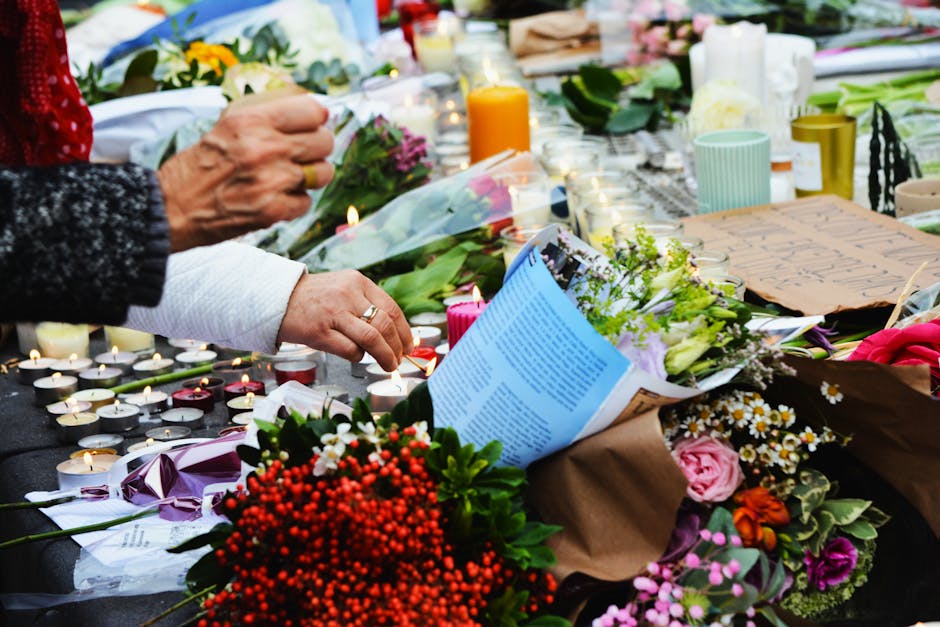
After a sudden death or local tragedy, people often want to contribute flowers quickly. That is understandable. In those moments, the main thing is coordination. A cluster of separate tributes can become cluttered fast. One coordinated display is usually better than five different bunches arriving at slightly awkward angles, trying their best.
Funeral organisers and local florists
Professionals need to advise clients on form, timing, and practicality. A florist who understands local delivery patterns and tribute styles can help you choose an arrangement that looks right and is less likely to be displaced. If you are comparing styles, a dedicated sympathy flowers collection can make the selection easier when you want something appropriate without overthinking every stem.
People planning ahead
Some people want to understand the rules before they ever need them. Honestly, that is sensible. Grief is not the best time to be learning where you can and cannot place flowers. Having a plan in mind means you can act calmly later on.
Step-by-Step Guidance
Here is a practical way to approach memorial flowers in Crouch End without making things more complicated than they need to be.
- Identify the exact location. Is it pavement, roadside, a tree, a memorial bench, a park, or private land? This changes everything.
- Check whether the area is clearly public. If it is council-managed, assume stricter rules apply.
- Choose a low-risk arrangement. Compact bouquets, tied sheaves, or wreaths are usually easier to place safely than loose flowers in unstable containers.
- Avoid blocking access. Leave clear walking space, kerbs, crossings, gates, and maintenance access points.
- Keep decoration minimal. Candles, glass, pins, heavy frames, and plastic bags can be problematic in public settings.
- Use secure materials. If the tribute is outdoors, make sure wrapping, ribbon, and containers can cope with wind and rain.
- Think about timing. A tribute left out for a day or two may be fine; one left for weeks may be treated as abandoned or deteriorating.
- Coordinate with others. If several people are contributing, agree on one combined tribute instead of duplicate bunches everywhere.
- Monitor the tribute if you can. A quick check the next day can help you tidy anything that has shifted.
- Be ready to move it. If the council asks for removal, it usually helps to respond promptly and calmly. Not ideal, but easier than arguing on a wet pavement in the dark.
If you are ordering flowers for a tribute and want something that arrives ready to display, a product like tributes can be a useful starting point. For some situations, a wreath is more stable outdoors than a hand-tied bouquet, especially where wind is a factor.
Expert Tips for Better Results
Here is where a little real-world judgement helps. Most issues with memorial flowers are not caused by bad intentions. They happen because people are emotional, in a hurry, and trying to do the right thing quickly.
Keep the tribute visually calm
Big gestures can be moving, but on public land they can look cluttered very quickly. A simple design often feels more dignified. One graceful arrangement is usually better than several competing ones.
Use flowers that hold up well
In the UK climate, soft blooms can wilt faster than expected. Seasonal flowers and sturdier stems tend to stay presentable for longer. That matters if the tribute will be outside for more than a few hours.
Think about colour in context
Muted whites, creams, soft purples, and pale pinks often suit memorial settings. Bright colours are not wrong, but they can read more like celebration than remembrance depending on the moment. It is all about tone.
Choose the right tribute shape
For an outdoor memorial, a wreath, posy, sheaf, or compact spray often works better than a tall vase arrangement. The weather does not care how lovely your bouquet looked on the counter, sadly.
Add a simple card, not a cluttered message board
A short message can feel deeply personal without becoming a visual obstruction. Keep wording direct and heartfelt. Let the flowers do their work.
If you want a quieter, more natural look, you may prefer something from the sympathy category rather than a more decorative general bouquet. That tends to keep the tone aligned with the setting.
Common Mistakes to Avoid
These are the little things that often cause trouble. Most are easy to avoid once you know what to look for.
- Placing flowers where they obstruct walking space. It only takes a small blockage to create a real problem for wheelchair users, prams, or people carrying bags.
- Using unstable containers. Glass vases, loose buckets, and top-heavy pots can tip over.
- Leaving packaging behind. Cellophane, tags, rubber bands, and ribbon offcuts can blow away and create litter.
- Attaching items to public structures without care. What feels secure may still interfere with maintenance or be removed.
- Assuming a memorial can stay indefinitely. Temporary tributes are usually treated more leniently than long-term displays.
- Mixing in candles or fragile objects. These can become hazards fast, especially in open air.
- Ignoring weather. Rain makes cards soggy, tape fails, and petals scatter everywhere. The London breeze has a personality of its own, let's say that much.
One small but common issue is over-ordering. Families sometimes buy more flowers than the space can realistically hold. Then the tribute starts to look crowded, and nobody wants to be the person deciding which arrangement should sit nearest the bench. Awkward, to say the least.
Tools, Resources and Recommendations
You do not need fancy tools to handle a memorial flower tribute properly, but a few practical items help.
- A measuring tape or rough pace-out: useful for checking whether flowers will block access.
- Weatherproof card or note: if you want a message to survive outdoors for more than a few hours.
- Reusable florist ribbon or tie: secure, neat, and less likely to unravel.
- Basket or wreath base: often steadier than loose stems.
- Clippers or scissors: for tidying stems before placement.
- Phone camera: helpful if you want to document how the tribute was arranged or to share with family members.
For flowers that need to arrive promptly in the local area, a service such as flower delivery in Crouch End can save you time when you are balancing travel, work, and the emotional side of the occasion. If timing is urgent, you might also look at same-day flower delivery so the tribute reaches its destination quickly and in good condition.
If you are choosing between memorial styles, it can help to compare a standard bouquet with a more structured tribute.
Law, Compliance, Standards, or Best Practice
This topic sits at the intersection of public-space management, local amenity, and common-sense safety. Exact rules can vary depending on the site, but the underlying best practice is fairly consistent.
Public land is generally managed so that pathways remain clear, surfaces stay safe, and council services can still do their work. That means floral tributes should not create hazards, block access, or interfere with maintenance. In many cases, the council or its contractors may remove items that are deteriorating, unsafe, or left in a place that conflicts with operational needs.
It is also worth remembering that memorials in public areas are usually treated as temporary unless a formal permission or arrangement exists. That is not a lack of compassion. It is a practical reality of managing shared space in a busy borough. If a tribute is important enough to keep for longer, it may be wiser to move it to a private or agreed location rather than hoping a public pavement will become a lasting shrine.
From a standards perspective, good practice means:
- keeping access routes open
- avoiding sharp or breakable materials
- using stable, weather-resistant arrangements
- respecting cleaning and maintenance schedules
- removing damaged or faded items promptly
That may sound formal, but the principle is simple: be respectful to both the memory and the space.
Options, Methods, or Comparison Table
Not every memorial flower arrangement works equally well in Crouch End. The best choice depends on where it will sit, how long it needs to last, and how visible you want it to be.
| Option | Best for | Pros | Possible drawback |
|---|---|---|---|
| Hand-tied bouquet | Short-term tribute | Simple, personal, easy to carry | May move or wilt quickly outdoors |
| Wreath | Outdoor memorials and services | Stable, traditional, dignified | Can be bulky if the site is small |
| Posy or basket | Compact public spaces | Neat, low-profile, easy to place | May need support in windy weather |
| Spray | Formal remembrance and funerals | Structured, elegant, often lasts well | Less flexible for very small spaces |
| Mixed tribute with extras | Personal celebrations of life | Can feel highly individual | Risks becoming cluttered outdoors |
If your priority is outdoor stability, a structured tribute is usually safer than a loose bouquet. If your priority is something easy to carry to a service, a hand-tied arrangement may be enough. There is no perfect answer. Just the right fit for the setting.
Case Study or Real-World Example
Imagine a family in Crouch End wants to leave memorial flowers near a place that mattered to their dad. They choose a quiet roadside spot close to a path he walked every morning. The first thought is to leave a large bouquet, a candle, and a framed message. It feels meaningful, but the pavement there is narrow, and school traffic passes through around the same time each day.
Instead, they scale it back. They use a compact wreath with a card tucked into the flowers, set it just off the walking line, and remove the plastic wrapping before placing it. They also check the next day after a windy evening and adjust the ribbon, which had started to twist. Simple things, really.
The result? The tribute looks thoughtful rather than cluttered. It stays in place longer. No one has to step around it awkwardly. And the family feels reassured because the memorial has been created in a way that is respectful both to their loved one and to the street itself.
That is the real lesson here. Good memorial flowers do not need to be large to be meaningful. They need to be considered.
Practical Checklist
Before you place memorial flowers in Crouch End, use this quick checklist.
- Have I identified whether the location is public or private?
- Will the flowers block walking space, access, or maintenance routes?
- Is the arrangement stable enough for wind and rain?
- Have I avoided glass, flames, or loose hazardous items?
- Have I chosen a style that suits the space?
- Is there a card or message that is clear but not cluttering the area?
- Have I checked whether other tributes are already present?
- Do I know who will tidy or remove the flowers later if needed?
- Will the flowers still look respectful after 24 to 48 hours?
- Have I kept the tribute simple enough that it can be managed if the council needs access?
If you can answer yes to most of these, you are probably in a good place. Not perfect. Just sensible. And in this context, sensible is a very good thing.
Get a free quote today and see how much you can save.
Conclusion
Understanding Haringey Council rules for memorial flowers in Crouch End is really about balance. You want the tribute to feel heartfelt and personal, but you also want it to sit comfortably in a shared public space. When you think ahead about placement, size, materials, and timing, you make that much more likely.
The good news is that this does not need to be complicated. Keep it neat. Keep it safe. Choose the right style for the space. And if the tribute matters enough to last, give it the best possible chance by treating the location with the same care you give the memory.
That care shows. People notice it, even quietly. And sometimes that is exactly what a memorial needs.
Frequently Asked Questions
Can I leave memorial flowers anywhere in Crouch End?
Not really. If the area is public, especially a pavement, roadside, or council-managed space, flowers may be removed if they block access or create a hazard. The safest approach is to keep tributes neat, compact, and clearly non-obstructive.
How long can memorial flowers stay in place?
That depends on the location and condition of the tribute. Temporary flowers may remain for a short period, but once they fade, become untidy, or interfere with maintenance, they may be cleared. It is better not to assume a public memorial can stay indefinitely.
Will the council remove flowers without warning?
Sometimes items are removed as part of routine cleaning or maintenance, especially if they are unsafe or deteriorating. In some situations there may be notice, but not always. If the tribute is important, keep it tidy and check it regularly.
What kind of flowers are best for an outdoor memorial?
Sturdy arrangements tend to work better outdoors. Wreaths, posies, and compact sprays are usually more stable than loose bouquets. Flowers that cope well with wind and a bit of rain will usually last longer and look more respectful.
Are candles allowed with memorial flowers?
Open flames are risky in public spaces and can create safety issues. They are often a poor choice for pavements or roadside memorials. If you want a symbolic touch, a card or ribbon is usually safer and easier to manage.
Can I attach flowers to a tree or railing?
Sometimes people do, but public trees and railings are maintained assets and attachments may be removed if they interfere with care or inspections. If you want the tribute to last, a freestanding arrangement is usually safer.
What if there are already other tributes there?
Then coordination matters. It may be better to add one combined arrangement rather than creating separate clusters that spill across the space. A tidy shared memorial usually looks more respectful than a crowded one.
Is there a difference between funeral flowers and memorial flowers?
Yes, though they overlap. Funeral flowers are usually created for a service, crematorium, church, or place of ceremony. Memorial flowers may be left later in a public or private space to remember someone. If you need something suitable for a service, a dedicated funeral tribute is often the better choice.
What should I write on a memorial card?
Keep it short, sincere, and easy to read. A simple message such as "Forever in our hearts" or "Always remembered" is often enough. Long messages can be hard to display neatly outdoors and can become weather-damaged quickly.
Can memorial flowers be delivered locally in Crouch End?
Yes, local delivery is often the easiest way to get the tribute where it needs to go on time. If you need something quickly, same-day or next-day options can be useful, especially when arrangements are being made at short notice.
What happens if my flowers get damaged by weather?
That is common with outdoor tributes. Wind, rain, and cold can all affect freshness and stability. A more secure arrangement, or moving the tribute to a sheltered spot with permission, can help reduce that risk.
How do I choose a tribute that feels personal but still follows the rules?
Focus on one or two meaningful details rather than packing everything into one display. A favourite colour, a specific flower, or a simple card can make a tribute feel deeply personal without turning it into clutter. Often, less really is more.